Free Shipping in US & Canada on orders US$40+ | Free Shipping Globally on orders US$70+

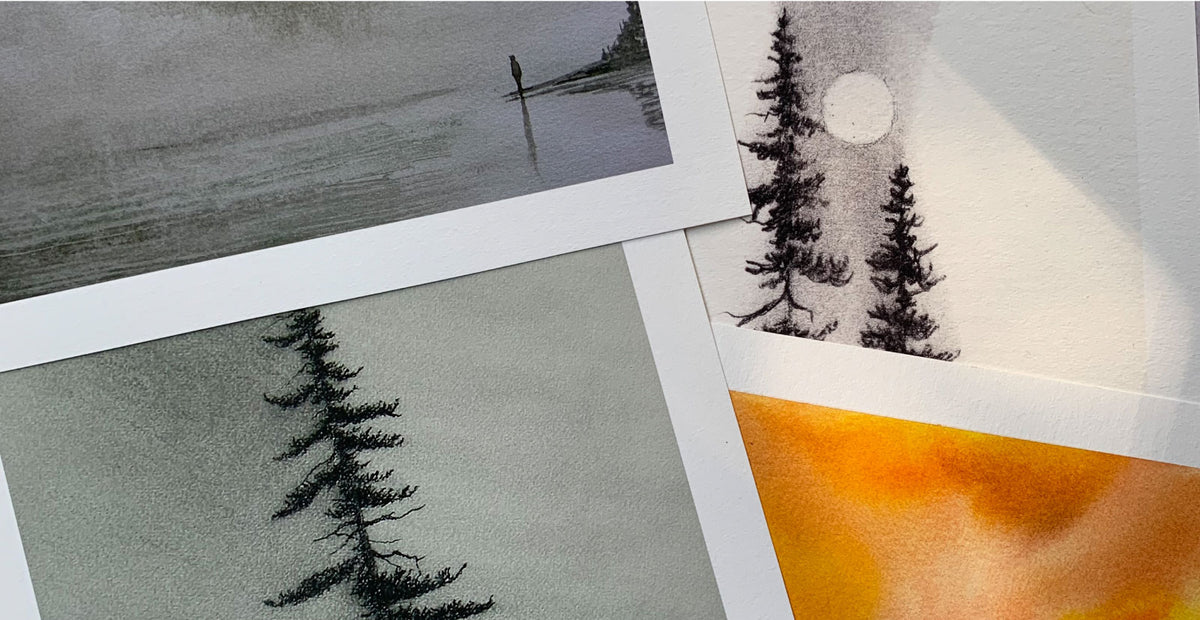
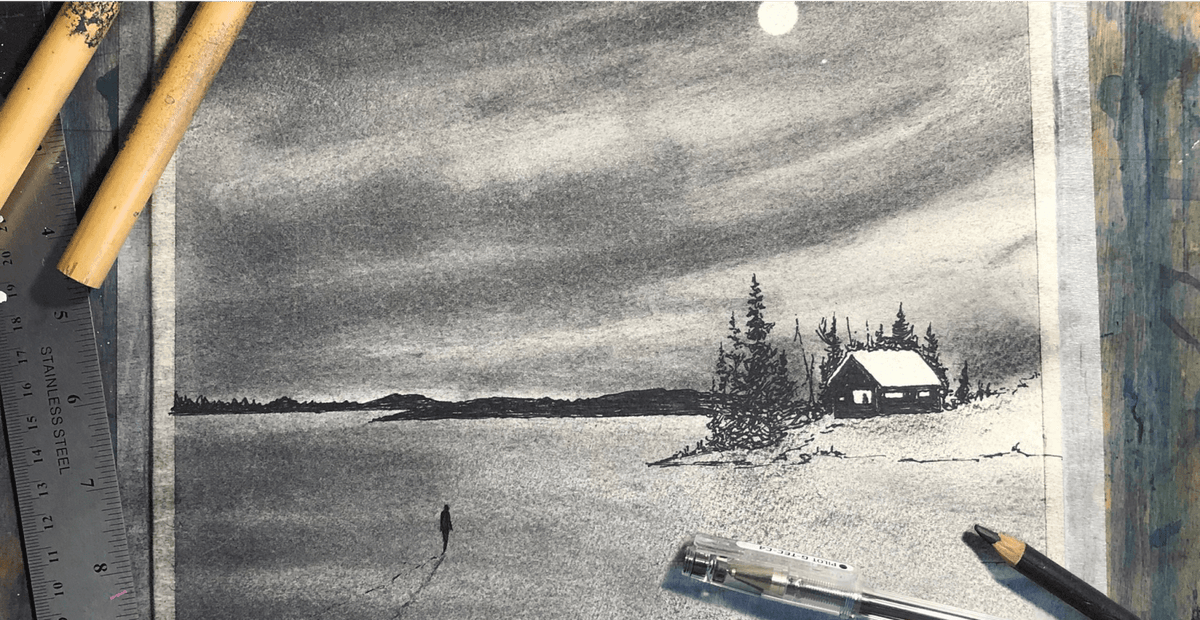
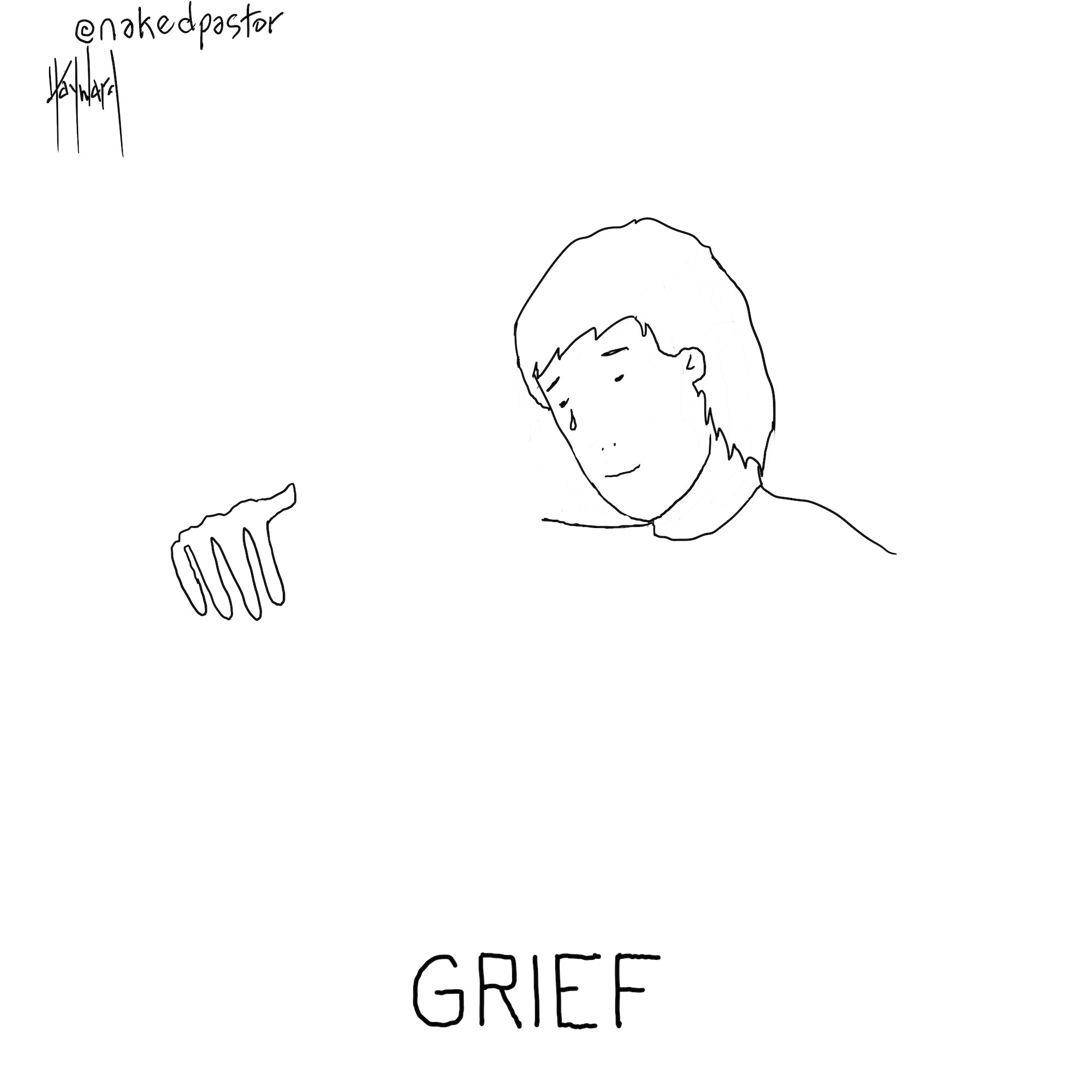
One of the questions I've always thought about is this: Is there a right way to grieve? I don't think there is. Grief is one of the strangest experiences we go through. It's deeply personal, unpredictable, and rarely looks the way we expect it to. It doesn't fit neatly into stages or timelines. We don't even grieve every loss the same way. Grief Watercolour is available as a print. Losing a parent feels different from losing a marriage. Losing your faith feels different from losing your health, your community, or the life you imagined you'd have. Every loss has its own language. The strange thing is that grief often surprises us. Sometimes you expect to fall apart... and you don't. Sometimes you think you're doing okay... until something small brings everything rushing back. Sometimes you cry. Sometimes you feel nothing at all. And all of it is okay. But it’s important to be vulnerable. Grief is available as a digital cartoon. We put so much pressure on ourselves to grieve the "right" way. To be sad enough. Strong enough. To move on quickly enough. To cry at the right moments. To heal on someone else's timeline. But grief doesn't work like that. The only way to grieve... is your way. I'm also not convinced that grief simply gets easier with time. I think we become more familiar with carrying it. It changes shape. It becomes part of us. Some days it's loud. Other days it's quiet. But it has a way of reminding us of that loss. Miss You Print is available as a print. If you're grieving today, whether your loss happened last week or twenty years ago, please be gentle with yourself. There is no timeline. There is no standard. There is only your journey.
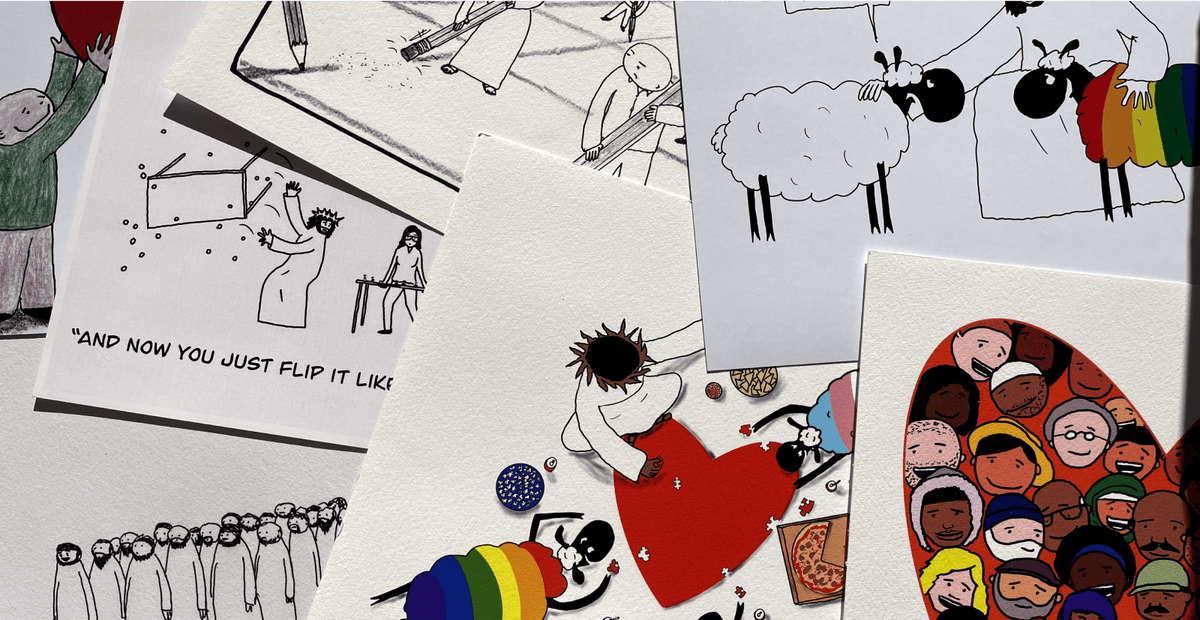
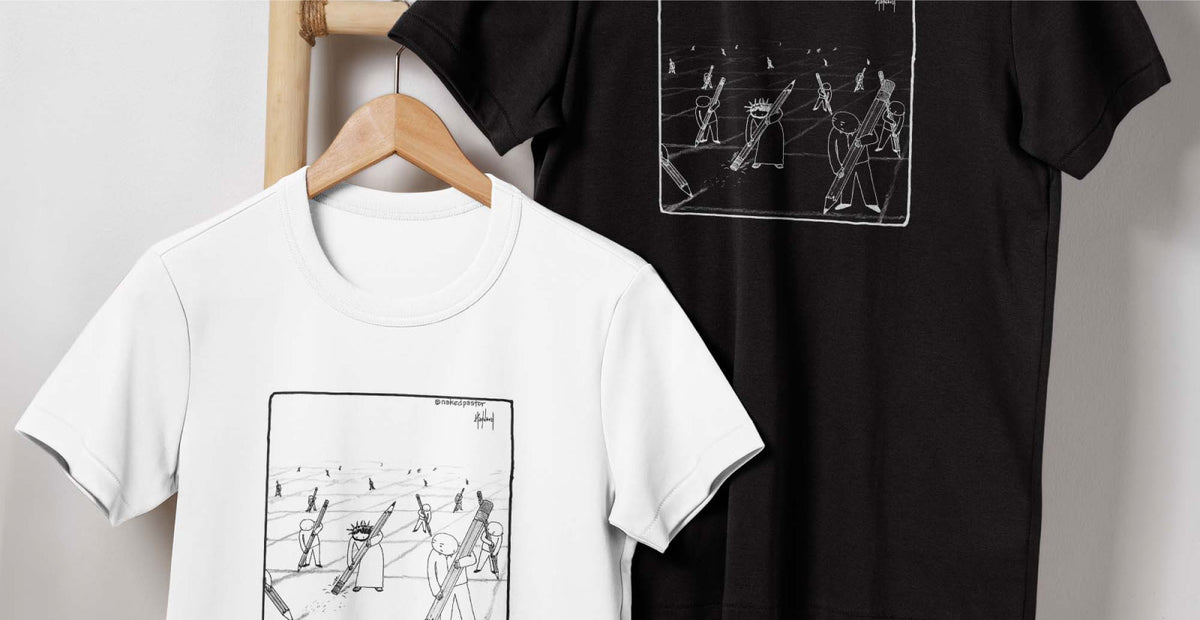
Read moreGrief in losing community. When people think about deconstruction, they often think it's about losing faith or changing beliefs. But I think it's just as much about losing a sense of belonging. For me, I was terrified of leaving my religion and losing my friends and family in the process. The difficult thing is that questioning your beliefs rarely happens in isolation. Our beliefs are tangled up with our relationships, communities, and how we see ourselves. So questioning one can feel like risking the others. But questioning itself isn't something I think we should be afraid of. Jesus certainly wasn't. Jesus challenged almost every accepted idea of his day. He questioned who belonged, who was excluded, who was worthy of love, and what it really meant to follow God. In many ways, I think he embodied deconstruction. The Narrow Way is available as a print, a sticker and a t-shirt. My own journey has looked a little like that. It has been liberating and empowering. But it's also been lonely. In the beginning, it felt like I was losing my entire world. Deconstructing wasn't just theological. It was relational. It was vocational. I lost my community when I left the church. I lost my sense of identity, purpose, income, friendships, and community. The safe place I thought I'd always have suddenly disappeared. I found myself alone, isolated, and trying to rebuild my life from the ground up. It's Okay To Grieve When You Leave the Church is available as a digital cartoon. When the people who once knew you best suddenly feel like strangers, there's a grief that few people talk about. It was one of the hardest things I've ever experienced. It was also one of the most freeing. I couldn't go back, and today, I'm deeply grateful that I kept moving forward. You can buy We Will Not Go Back as a print. But before I could move forward, I had to grieve. I don't pretend to have all the answers. But I do know this: Grief asks to be acknowledged, not avoided. It’s okay to grieve when you leave the church. And from all that loss and grief, you get the beautiful privilege of finding yourself after leaving religion. So if you've lost a community, a church, friendships, or a sense of belonging, I hope my words and my art remind you that your grief is real.
Read moreI’ve been asked this many times. Usually by people who are deconstructing and are afraid it means they are going to lose their faith and deconvert from Christianity altogether. They are not the same. This, in my opinion, is the difference: Deconstruction vs Deconversion Deconstruction is an open-ended process of taking apart beliefs, structures, and belonging with no predetermined destination. You could end up anywhere on the belief/non-belief spectrum. I shouldn’t say “end up”, because I think deconstruction is a way of life that manifests itself in our perpetual evolution. While there are stages of deconstruction, there’s no fixed path through them, and no guarantee of where they’ll lead you. Deconversion is just one possible outcome of that process where you lose both the belief and the religious identity. To insist that this is the only logical goal of deconstruction is just the old demand for certainty in new clothes. But many people do end up here and are content to be here. And that’s fine. What Deconstruction Is Really About As I’ve said many times, “There’s only one way to deconstruct, and that’s your way!” I claim that deconstruction is a way of life. It’s not only a phase on the way to a more progressive theology. It’s not just a questioning of beliefs, but belief itself. Of course, because this is such a radical orientation, few assume it. Instead, many simply settle on a tweaked version of their previous belief system and miss out on the true benefit of deconstruction: liberation!
Read more
Your cart is currently empty.
Not sure where to start?
Try these collections: