The Naked Journal
Thoughts, musings, and meanings behind NakedPastor Art.
The Naked Journal
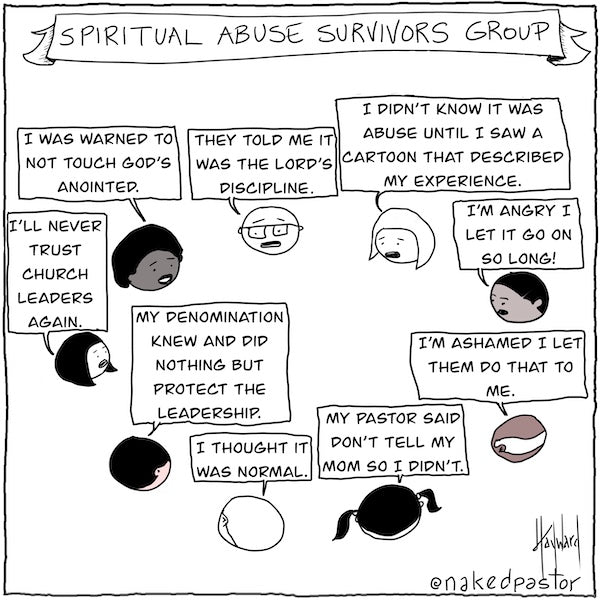
Advice on Making Friends after Leaving the Church
When we leave the church, one of the hardest challenges is building new relationships. Losing most, if not all, of the friends we had is often part of the process. I’ve been through it, learned a lot, and want to share my experiences and advice with you. Change your expectations. When we’re in the church, we’re handed a whole network of friends to love and groups to join. If you came from a church that encouraged small groups or intimate fellowship, the level of closeness you experienced there cannot be replicated on the same scale in the real world. And honestly, that’s okay. Many of us leave behind an unnatural intensity of intimacy that often proves to be unhealthy. In the real world, it’s normal to have only a few close friends, a wider circle of just friends, and a larger group of acquaintances. This “normal” is not only manageable but also fulfilling. Adjusting to this dynamic is key to finding satisfaction in new friendships. Wean yourself off of unhealthy relationships. Church culture often requires us to be constantly open, honest, and vulnerable, leaving little room for privacy. Many friendships felt genuine but were ultimately conditional on conformity to the group’s beliefs and expectations. When you leave the church, these relationships often dissolve, revealing their fragile foundation. In the real world, authenticity means being yourself without fear of rejection because of nonconformity. Now, you have the freedom to choose who you surround yourself with. Prioritize healthy, supportive relationships over toxic or purpose-driven ones. Say goodbye to the idea that every relationship must have an explicit or hidden agenda. Do the work Building genuine friendships takes effort. In the church, friendships were often provided on a platter, with regular gatherings, shared beliefs, and structured opportunities to connect. Outside the church, you have to take the initiative. Lisa and I discovered that if we didn’t reach out, friendships rarely developed. Most people are busy or unsure of how to initiate relationships. If we saw potential in a friendship, we actively pursued it with intention and persistence. Initiating contact, scheduling time to meet, and nurturing relationships take planning and commitment, but the rewards are worth it. Practical Steps for Making Friends Don’t Take It PersonallyIf someone doesn’t reciprocate your efforts to connect, it’s usually because they’re busy, shy, or afraid. If they consistently refuse without a good reason, move on. Friendships should feel mutual and enjoyable, not one-sided. Schedule It InLife is busy, so make plans and stick to them. Reach out with specific suggestions, like, “What are you doing Saturday morning? Want to meet us for brunch?” Restore Old FriendshipsRekindle connections with people you’ve lost touch with. A simple, “We’ve been thinking about you and wondered if you’d like to get together” can go a long way. Pick Up CluesIf someone hints at wanting to connect, follow up! Take opportunities as they come, or they may pass you by. Choose Neutral Places Sometimes it’s easier to meet outside your home to reduce the pressure of hosting. Suggest meeting at a restaurant or café where everyone can relax. Extend InvitationsWhen you meet new people through mutual friends or events, invite them to hang out again. Building friendships starts with small gestures. Keep It UpMaintaining friendships takes consistent effort. Check in with people regularly and make plans to stay connected. DetoxifyLet go of relationships that are toxic or draining. Focus on surrounding yourself with people who accept and uplift you. Go to EventsAttend social activities like art gallery openings, local concerts, or community events. These can be great opportunities to meet new people. Appreciate the FewMost people have only a handful of close friends, and that’s normal. Cherish those connections and continue to nurture the Loneliness can feel overwhelming after leaving the church, but it doesn’t have to define your future. Making friends in the real world requires intentionality and effort, but it’s incredibly rewarding. You don’t need to long for the days when a built-in network of friends was handed to you. You can create meaningful connections that are authentic and healthy—on your own terms. Happy friending!
Read more
Why Personal Change Can Lead to Losing Friends
I was fortunate to find churches in which I felt I had room to change and grow. However, inevitably, I discovered that I would change and grow beyond the box of their comfort zone. When you change, so do your relationships. You may lose friends. You may even lose family. Like this cartoon: 4 Reasons Why Personal Growth Can Cause You To Lose Friendships 1. They will say that you are the one who left, not them. No one would deny that personal change and growth is important. However, for many people, there's only so far they can or are willing to stretch to accommodate you. In the end, it will be your fault you lost your friends. 2. Many people are very uncomfortable hanging out with people who are not similar to them, especially in beliefs. They just don't know how to be, how to talk, how to relax and how to relate to someone very different from them. 3. On the extreme, some people refuse to fellowship with people who do not share their faith. I know that during my growth in the faith, it was emphasized over and over again that I should not mix with non-believers, except to evangelize them, because it would negatively affect me, pull me down from my heights of faith, and cause me to eventually backslide into sin. 4. Finally, when you shockingly and sadly discover the consequences of your personal change, you might find yourself branching out and making new acquaintances and friends. As I discovered, and as many of my friends also realize, this is hard work and must be intentional if you're going to succeed in rebuilding your social life. I've personally experienced this. It took me a while, first emotionally then practically, to rebuild my social life. I'm very satisfied with it now. I admire the many people I know who make put their own personal development a priority even though there are risks and costs for doing so. It takes incredible commitment and courage to accomplish, but people are doing it. Although the costs are complicated, the choice is simple: be fake in a crowd or authentic alone. But the good news is, if you work at it, you will find not only yourself but a new community of friends gathered around you. You can do it! Related Resources In this video, I talk about accepting your longing for the community and relationships that were harmful to you. You can’t overcome something if you haven’t accepted your true feelings about it. Don’t dismiss your feelings, embrace them.
Read more
Embracing Your Believing Past
One of the messages I gave them was about accepting, embracing, and integrating our former selves. I'm going to share it with you here: I do not like it when people mock other religions. I also do not like it when people mock the stages of faith that I have journeyed through. I'm not sure how this happened, but somewhere along the way I learned that it was not only negligent and shortsighted to disdain and reject my earlier passages, but harmful to my spiritual health. Whether or not this is objectively true I cannot tell, but it feels right. In other words, I would not be who I am today if I wasn't who I was yesterday. I believe in growth. Incremental growth. Process. Progress. It's wise, I think, to respect and nourish our roots. We never expected our children to be at Stage 6 in their stages of faith when they popped out of the womb. We acknowledge and honored their growth and development, and even delight in their topsy-turvy, winding, pot-holed path to their own version of spiritual maturity. We wouldn't dare mock or reject them along the way. So we don't do it to ourselves. Sure, there are points in my life I'm embarrassed about now, but not ashamed. There are points in my life I'm sorry for, but I won't drown in remorse. I laugh, pay my dues, ask for forgiveness, and move on. When you guys share your journeys, to me they are lovely. So diverse, complex, multifaceted, and glorious. Brilliant! I think this is how our inner child grows into an adult‚ when he or she is affirmed, loved, embraced, accepted, and given space to mature. So just love yourself from beginning to end. This is how integration and individuation happens!
Read more
There's a Reason Why You Experience Life as a Cross
Yes, this is an older cartoon, but a favorite. I'm sharing it again. You know, I should compile a new book on the 100 best of nakedpastor and why I drew them. I've been cartooning since 2006 so it would be a challenge to groom them all down to just 100, but I think that would be a fun project. So, about this cartoon: Many philosophers, not just theologians, view the cross as a powerful symbol of human experience. For we have in one image the intersection of the horizontal and vertical… the experience of overwhelming struggle in this life, and the overwhelming feeling of life without God. In one symbol is encapsulated the idea of abandonment both by the world and by God. The gospels portray Jesus as fully human… committed to extreme truth, extreme compassion, and therefore extreme authenticity. And he paid for it with his life. Taking up the cross, therefore, to me, means being exactly this. Whether you believe the story of Jesus is historically accurate or a well developed mythology, the message is truthful and clear: if you live like Jesus you may very well end up like him too. Like Frankl, I think it is impossible to find meaning in our suffering, but that we can seek to find meaning in the midst of it. This, for me, captures the real struggle of humanity. I guide people through the process of deconstruction as they transition towards spiritual independence. Read about it here and reach out to me if you want.
Read more
Not My Fault: Jesus, You, and the Evangelical Church
Many of us have roots in Evangelicalism. I'm sure many of us have also moved on from it. And that's okay. The fact is, the Evangelical church lost its roots. So, why be faithful to something that you no longer believe in or can support? I believe there are new ways of being spiritual that are not only valid, but healthier. And I claim it is your right to explore, discover, and experiment with what yours is. (Although I think your search must be independent, you don't have to do it alone. Join the rest of us at The Lasting Supper.)
Read more
Navigating Friends, Finances, and Fun After Leaving the Ministry
Friends, Fun and Finances. Lisa and I call these the 3 F's. When Lisa and I left the ministry and, as it ends up, the church in 2010, we came to the conclusion that we had some work to do on our personal lives. The reason? We felt we'd been living under a heavy wet blanket for a long time, just being Christians who were a part of a fairly conservative strand of Christianity, the Vineyard Movement. But, we had also experienced the feeling of living in a fishbowl, which obviously goes with being in the ministry. When we left, we were free! But how were we going to live free practically? We call them the three Fs: friends, finances, and fun. How Do We Make Friends When we were in the church, it provided our friends. When we left, our friendships mostly ended. It's been really hard and intentional work, but now after eight years we have friends we can call on to get together with or who call us to hang out. These friendships were earned, not awarded, and they feel a lot richer. What Do We Do With Our Finances Most pastors struggle financially. We were among them. Many Christians struggle with money. In fact, when I quit, we had filed for personal bankruptcy. I knew when I left the ministry I had a huge learning curve ahead of me of overcoming my limiting beliefs about business and success, as well as my negative attitudes about money. I think I've officially graduated from that course now. It was a tough one. How Can We Have Fun The church used to be our center of activity. Every event had a purpose, an intention, a vision, a goal, a meaning. Now, we're learning how to just enjoy ourselves just have fun without there needing to be a mission, without it needing to be a witness, or needing to be fruitful, or needing to be godly. We just have fun for fun's sake. Completely selfish. Our goal is to be happy. And‚is it ever fun! I must tell you though: this took me years to accomplish, and that's with continued therapy and coaching. How about you? Are you working on building healthy friendships, finances, and fun?
Read more
When Was Your First Crisis of Faith?
Once in a while we are shocked into a crisis of faith. Most often though it is a process. A long, steady process of losing confidence in certain beliefs. I remember when I was just a kid, very, very young. I was awakened in the middle of the dark night by a very palpable fear of death. Even though I was pretty much a Christian from infant baptism on, nothing could comfort this fear. My immature beliefs weren't cutting it. When I analyze my most traumatic crisis of faith, I can detect the seeds of deconstruction that were already there, doing their work to break apart the hard dirt of dogma. I personally believe that deconstruction... the crisis of faith and the loss of belief... is the opportunity for progress. We can't grow and mature without it. Deconstruction must happen! The smallest doubts like... Did Jonah really get swallowed by a whale?... to the larger questions like... Does God exist?... are all perfect ingredients for personal development. Whether you start early or late, it's an important journey to undertake earnestly.
Read more
Vicky Beeching and Gay is Not Broken
I did this back when Vicky Beeching first came out and the flood of opposition, expressing itself in misunderstanding, hate, harassment, and exclusion, began for her. Began because it continues. She's written a book, Undivided... her story of how she bravely chose to live with authenticity, that you can pre-order HERE.
Read more
Are You Really Free?
Often, the promise of an afterlife excuses us from accepting what belongs to us now. We're told to wait for what is rightfully and currently ours. And, so, many of us do. Instead of living and walking in the freedom that we presently possess, we live as though we are enslaved, oppressed, and trapped, serving masters and doing time. We are free. As soon as we know that, we are.
Read more